
 EN
 AR
 BG
 HR
 FR
 DE
 EL
 HI
 IT
 JA
 KO
 PT
 RU
 ES
 TL
 ID
 VI
 TH
 AF
 MS
 SW
 UR
 BN
 CEB
 GU
 HA
 IG
 KN
 LO
 MR
 SO
 TE
 YO
 ZU
 ML
 ST
 PS
 SN
 SD
 XH

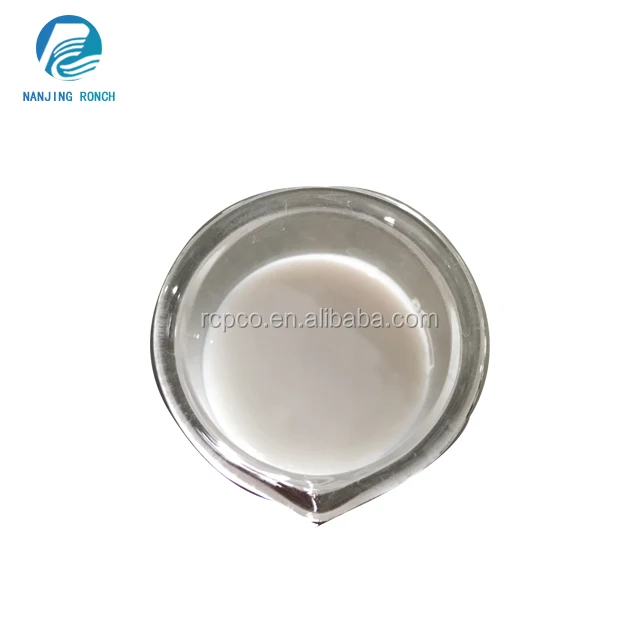
Difenoconazole is a special type of fungicide that belongs to the triazole family. It helps protect plants from fungal diseases that can harm crops and gardens. Farmers and gardeners use it because it works really well against many types of fungi. Difenoconazole stops the growth of these harmful fungi, keeping plants healthy and strong. This product is very important in agriculture, especially for people who want to grow high-quality crops. Our company, Ronch, offers Difenoconazole as a reliable solution for those looking to protect their plants effectively.
What Makes Difenoconazole a Preferred Choice for Wholesale Buyers?
Difenoconazole is a favorite among wholesale buyers for many reasons. First, its effectiveness against a wide range of fungi makes it valuable. It can fight off diseases like powdery mildew and rust, which are common problems for crops. This means that farmers can grow their plants without worrying so much about fungal infections. When plants are healthy, they can produce more fruit or vegetables, which is good for business.
Another reason that wholesale buyers like Difenoconazole is how easy it is to use. It can be applied in different ways, such as spraying it directly on plants or mixing it with water for irrigation. This flexibility helps farmers choose the best method for their specific needs. Plus, Difenoconazole has a long-lasting effect. After applying it, it continues to protect the plants for weeks. This means fewer applications are needed, saving time and money for farmers.
Cost is also a big factor for wholesale buyers. Difenoconazole is often sold at competitive prices. This makes it a smart choice for businesses that want to keep costs down while still getting a high-quality product. Ronch is known for offering Difenoconazole at prices that help farmers stay within their budgets. With good quality and reasonable prices, it’s no wonder Difenoconazole is a preferred option for many wholesale buyers.
In addition to being effective and cost-efficient, Difenoconazole is also safe for the environment when used correctly. Many farmers are concerned about using chemicals that can harm beneficial insects or pollinators. Difenoconazole has a lower risk of affecting these important creatures, which is another reason why it is popular. By choosing Difenoconazole, wholesale buyers can help farmers use products that are less harmful to their surroundings. Overall, these factors combine to make Difenoconazole a top choice for wholesale buyers looking for reliable solutions in agriculture.
Where to Buy Difenoconazole at Competitive Wholesale Prices
If you're interested in buying Difenoconazole, it’s important to know where to find it at good prices. Ronch is a great place to start. We offer Difenoconazole at competitive wholesale prices, making it accessible for farmers and businesses. Our products are available in various quantities, so whether you need a small or large amount, we can help.
When looking to buy Difenoconazole, consider checking online. Many suppliers, including Ronch, have websites where you can easily browse products and prices. You can compare different options to see which one fits your needs best. Look for any special deals or discounts that might be available, especially if you are buying in bulk. This can help you save even more money.
Another good place to find Difenoconazole is through agricultural supply stores. These stores often carry a range of products for farming and gardening. Talking to store employees can also be helpful, as they might offer advice on how to use Difenoconazole Propiconazole effectively. They may even provide recommendations based on local farming conditions.
It’s also smart to join farming groups or communities. Many farmers share their experiences and advice on where to buy products like Difenoconazole. They can help point you to reliable sources where you can find it at a good price. Networking with other farmers can lead to discovering deals that you might not find on your own.
Finally, always ensure that the supplier you choose is reputable. Look for reviews or testimonials from other buyers. This way, you’ll know you are getting a quality product. With Ronch, you can be confident that you are purchasing a trusted product at a competitive price. We are here to help you protect your crops and grow your business.
Key Benefits of Difenoconazole in Modern Agriculture
Difenoconazole is an important chemical used in farming to fight off fungi that can harm plants. It belongs to a group of chemicals called triazoles. Farmers use Difenoconazole to protect their crops, which helps them grow better and produce more food. One of the key benefits of using Difenoconazole is that it works very well against a wide range of fungal diseases. This means that it can help prevent different types of sickness in plants, such as powdery mildew and rust. When plants are healthy, they can grow bigger and give more fruits or vegetables. Difenoconazole also helps plants grow strong by making their leaves and stems tougher. Another benefit is that it can be used on many kinds of crops, like grains, fruits, and vegetables. This flexibility makes it a favorite among farmers. It can be sprayed on plants before they get sick, which is called preventative treatment. This way, farmers can stop problems before they start. Moreover, Difenoconazole is used in small amounts, which means it is easier on the environment. Ronch, our brand, focuses on using Difenoconazole to help farmers succeed while also caring for the planet. It is important that farmers have tools that not only protect their crops but are also safe for the environment.
Common Challenges and Best Practices for Using Difenoconazole
While Difenoconazole is helpful, there are some common issues that farmers should think about when using it. One problem is that some fungi can become resistant to Difenoconazole over time. This means that if farmers use it too often, it might not work as well anymore. To avoid this, farmers should mix it with other fungicides or use it in different ways. This helps keep the fungi guessing and prevents them from getting strong against Difenoconazole. Another issue is the timing of when to spray Difenoconazole. It needs to be applied at the right time to be most effective. If it is sprayed too early or too late, it might not help the plants as much. Farmers need to keep an eye on their crops and the weather to know the best times to use it. Additionally, it is important to follow the instructions on the label carefully. Using too much Difenoconazole can be harmful to the plants, the soil, and even the people who work on the farm. Ronch encourages farmers to read the labels and understand the right amounts to use, so they can protect their crops safely. Lastly, farmers should be aware of any local rules about using chemicals like Difenoconazole, as regulations may vary from place to place.
Emerging Trends in Difenoconazole Use for Sustainable Farming
As farming changes, there are new trends in how Azoxystrobin Difenoconazole is being used. One trend is the focus on sustainable farming. Many farmers are looking for ways to grow food that is good for the environment. Difenoconazole fits into this trend because it is effective and can be used in smaller amounts. This means less chemical is needed, which is better for the land and water. Another trend is using technology to help farmers decide when and how to use Difenoconazole. For example, some farmers are using apps or special equipment to check their plants’ health. This technology helps them know exactly when to spray, making the treatment more effective and reducing waste. Ronch is committed to supporting these new technologies, helping farmers make smart choices for their crops. Additionally, there is a growing interest in combining Difenoconazole with other methods of pest control. This is called integrated pest management (IPM). By using Difenoconazole alongside natural methods and other treatments, farmers can create a balanced approach to keeping their crops healthy. Overall, Difenoconazole continues to be a key player in agriculture, helping farmers protect their crops while also adapting to new farming practices.