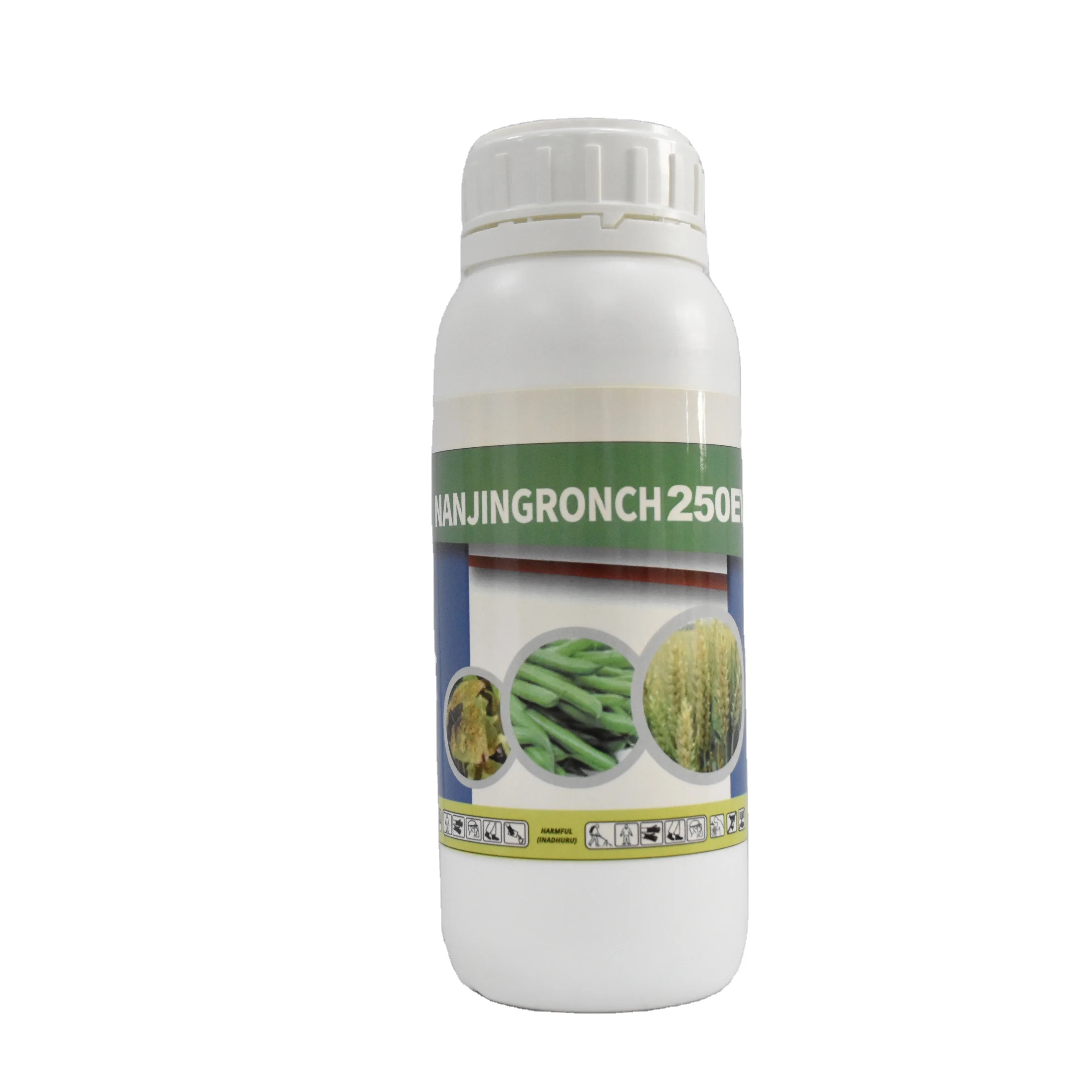
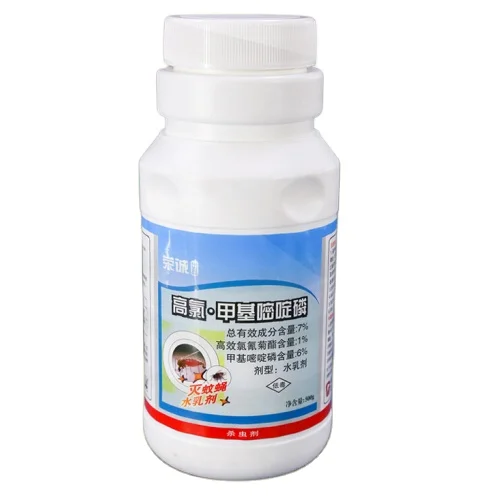
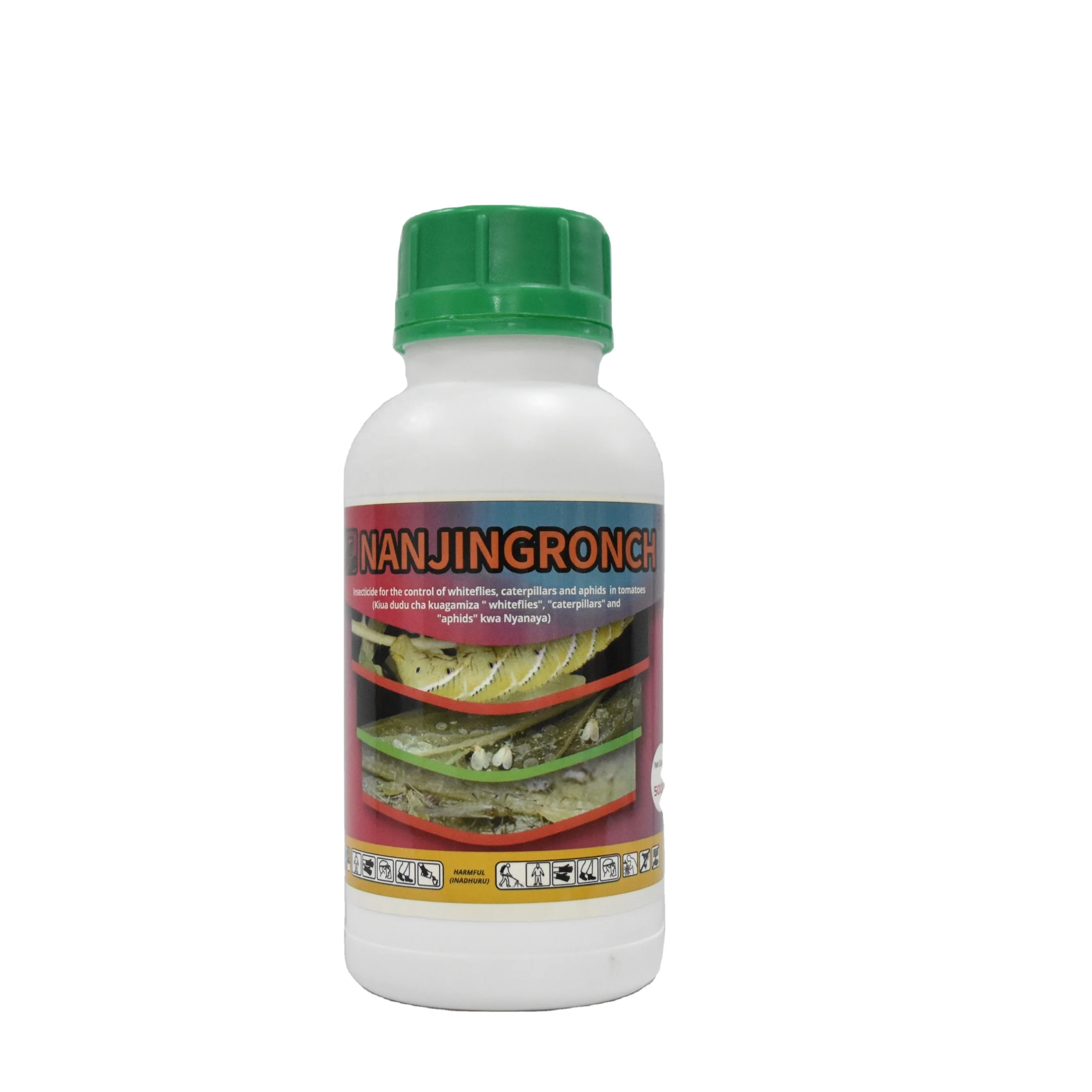
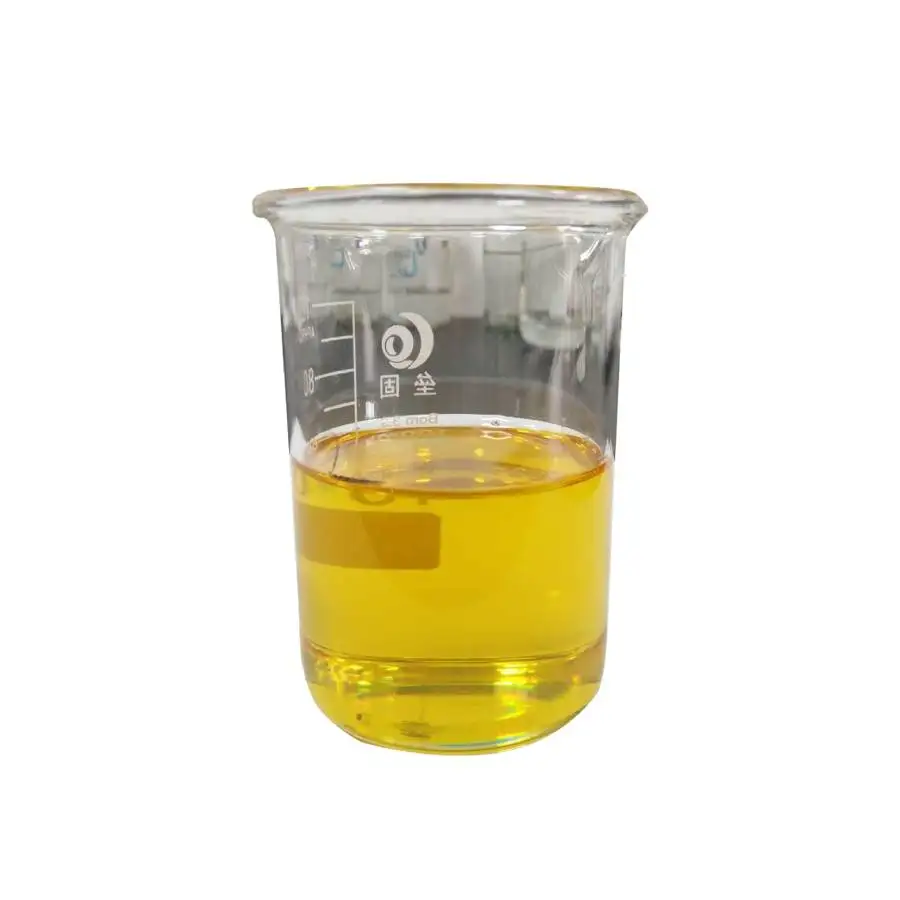
Le Malawi dépend fortement de l'agriculture, qui constitue un mode de vie pour de nombreuses familles et la colonne vertébrale de son économie. Les agriculteurs fournissent beaucoup d'efforts pour cultiver leurs aliments, mais les ravageurs peuvent tout anéantir. Un produit spécial comme thiacloprid ajoute de la valeur à ces cultures et les rend plus faciles à cultiver. Jordan Paige Ronch Ronch, une entreprise qui vend du thiaclopride aux agriculteurs du Malawi. Cet article va expliquer pourquoi le thiaclopride constitue un excellent produit de protection des cultures ainsi que ce qu'il peut faire pour aider les agriculteurs malawites à améliorer leurs méthodes agricoles.
Le thiaclopride est un pesticide qui aide les agriculteurs du Malawi à protéger leurs cultures contre les ravageurs. Insecticide : Ces dernières années, de plus en plus d'agriculteurs utilisent le thiaclopride car il est très efficace pour tuer les insectes nuisibles aux plantes. Cette tendance s'accélère car les agriculteurs souhaitent produire davantage de nourriture et réaliser des bénéfices. Ils ont constaté que le thiaclopride maintient leurs cultures en bonne santé et vigoureuses. Les agriculteurs du Malawi, par exemple, pulvérisent du thiaclopride sur des cultures telles que le maïs, une denrée alimentaire de base dans ce pays. En appliquant cet insecticide, ils peuvent éliminer les insectes qui dévorent à la fois les plantes et les épis de maïs. Cela signifie qu'ils peuvent produire davantage de maïs, ce qui est bénéfique pour leur famille et leur communauté.
Les agriculteurs apprennent également à utiliser le thiaclopride de manière plus intelligente. Ils participent à des séances de formation pour apprendre quelle quantité de pulvérisation appliquer et quand il est préférable de l'utiliser. Cela a de l'importance, car si le produit n'est pas appliqué avec discernement, il peut endommager les plantes et l'environnement. Les agriculteurs apprennent les uns des autres afin que chacun puisse mieux utiliser le thiaclopride. Aujourd'hui, de nombreux agriculteurs adoptent désormais de bonnes pratiques, comme la surveillance régulière de leurs champs pour détecter les ravageurs et l'application précise du thiaclopride dès qu'ils constatent l'apparition de ravageurs. Ces connaissances ont un impact significatif sur les rendements de leurs cultures.
Une autre tendance en pleine croissance est la prise en compte à la fois du thiaclopride et des intrants agricoles reconnus. Certains agriculteurs cherchent des moyens d'associer l'utilisation du thiaclopride à l'agriculture biologique. Ils s'engagent à obtenir de bons rendements pour leurs cultures tout en protégeant l'environnement. Cela revêt une importance capitale pour préserver des terres durables au profit des générations futures. Dans leur ensemble, les tendances actuelles indiquent qu'un nombre croissant d'agriculteurs au Malawi utilisent le thiaclopride de manière sécurisée afin d'obtenir de meilleures récoltes et des cultures plus robustes.
Un bon usage du thiaclopride est essentiel pour obtenir les meilleurs résultats possibles. Les agriculteurs doivent d'abord lire les instructions du produit. Ces instructions indiquent la quantité de thiaclopride à appliquer et la concentration à laquelle il doit être mélangé avec l'eau. Un peu suffit, et la mesure est importante : une dose insuffisante n'éliminera pas les ravageurs, tandis qu'une dose excessive peut endommager les cultures. Les agriculteurs doivent également choisir une journée peu venteuse pour pulvériser le thiaclopride. S'il y a trop de vent, le produit peut dériver et ne pas atteindre les insectes visés. Cela risque de gaspiller le produit et de ne pas protéger les cultures.
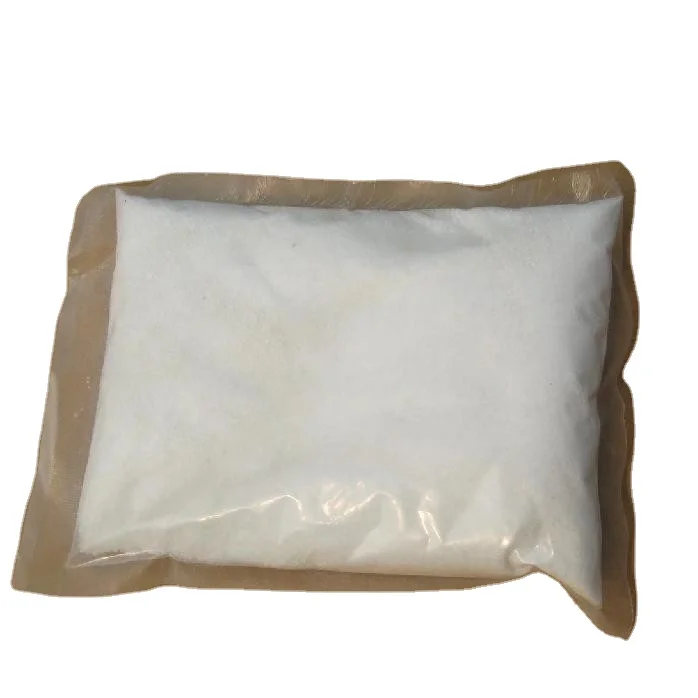
Le thiaclopride est, bien sûr, sensible au moment de l'application. Les agriculteurs doivent pulvériser dès l'apparition des ravageurs sur leurs plantes. « C'est alors le moment où ces ravageurs sont souvent très petits et plus faciles à contrôler », a conseillé Mme Nagou. Si vous attendez trop longtemps, les ravageurs grossissent et se multiplient, rendant leur maîtrise plus difficile. Les agriculteurs doivent inspecter régulièrement leurs champs pour détecter précocement les signes de présence de ravageurs. Un autre conseil utile : appliquer le thiaclopride le matin ou le soir, lorsque les températures sont légèrement plus fraîches. Cela améliorera l'efficacité de l'insecticide et réduira le risque de nuire aux insectes utiles.
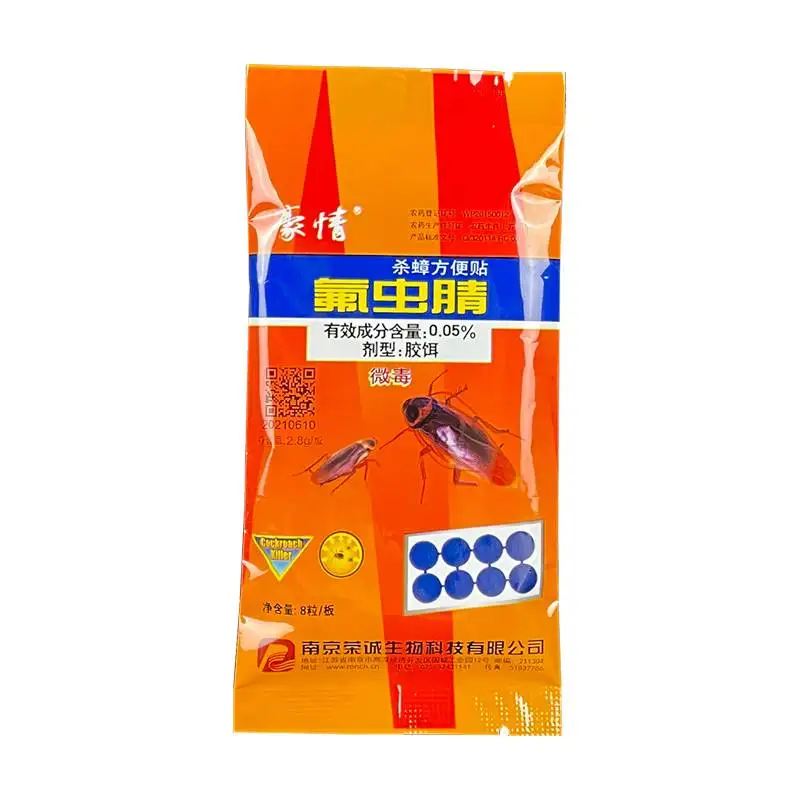
Lorsque les agriculteurs du Malawi s'intéressent à la thiaclopride, ils doivent prendre en compte plusieurs éléments. Tout d'abord, ils doivent trouver un fournisseur de confiance. Ronch est l'une des entreprises réputées auprès de laquelle vous pouvez acheter de la thiaclopride. Cela permet de garantir que le produit est de bonne qualité et sûr à utiliser. Et avec un bon vendeur, ils ont quelqu'un vers qui se tourner s'ils ont des questions sur l'utilisation du produit. Savoir d'où vient la thiaclopride fait une grande différence, car certains produits peuvent être moins efficaces ou même causer des dommages.
Nous offrons à nos clients au Malawi un service complet couvrant tous les aspects de l’hygiène et de la gestion des nuisibles. Nous y parvenons en combinant une connaissance approfondie de leur entreprise avec des solutions performantes et des années d’expérience dans le domaine de la lutte antiparasitaire. Après 26 ans de développement et d’amélioration continue de la qualité de nos produits, notre volume annuel d’exportation dépasse 10 000 tonnes. Nos 60 collaborateurs sont impatients de travailler aux côtés de nos clients afin de leur proposer les meilleurs produits et services du marché.
Dans le domaine de la coopération avec les clients, Ronch suit la politique d'entreprise selon laquelle « la qualité est la vie du thiaclopride au Malawi », a remporté plusieurs appels d'offres dans le cadre des procédures d'achat menées par des organismes du secteur et a collaboré étroitement et en profondeur avec de nombreux instituts de recherche ainsi que des entreprises renommées, ce qui lui a valu une excellente réputation dans le secteur de la salubrité environnementale publique. La compétitivité au cœur de l’entreprise est fondée sur des efforts inlassables et une persévérance constante. Elle permettra également à l’entreprise de se hisser au rang de marques industrielles exceptionnelles et de fournir des services industriels essentiels.
Ronch propose une vaste gamme de produits à base de thiaclopride pour le Malawi, afin de vous accompagner dans votre projet. Cela inclut tous les types de lieux destinés à la désinfection et à la stérilisation, ainsi que la lutte contre les quatre parasites classiques, avec diverses formulations et dispositifs conçus pour fonctionner avec tout type d’équipement. Tous les produits figurent sur la liste des produits recommandés par l’Organisation mondiale de la Santé. Ils sont largement utilisés dans des projets tels que l’élimination des cafards, des moustiques, des mouches, des fourmis, des termites et des fourmis rouges, ainsi que dans le cadre de la maintenance nationale de la santé environnementale publique et de la lutte antiparasitaire.
Ronch est déterminé à devenir un leader dans le secteur de la salubrité publique et de l’environnement. Fondée sur le marché, l’entreprise combine étroitement les caractéristiques variées des lieux publics et des secteurs industriels, en se concentrant sur les besoins du marché et des clients, tout en menant, grâce à une forte capacité de recherche et développement indépendante, des innovations technologiques de pointe. Elle répond ainsi rapidement aux exigences évolutives de ses clients et leur fournit des produits de stérilisation et de désinfection sécurisés, fiables et de haute qualité, à base de thiaclopride (Malawi), ainsi que d’autres produits de désinfection et de stérilisation pour la salubrité environnementale.
Nous vous attendons toujours pour votre consultation.

 EN
EN AR
AR
 BG
BG
 HR
HR
 FR
FR
 DE
DE
 EL
EL
 HI
HI
 IT
IT
 JA
JA
 KO
KO
 PT
PT
 RU
RU
 ES
ES
 TL
TL
 ID
ID
 VI
VI
 TH
TH
 AF
AF
 MS
MS
 SW
SW
 UR
UR
 BN
BN
 CEB
CEB
 GU
GU
 HA
HA
 IG
IG
 KN
KN
 LO
LO
 MR
MR
 SO
SO
 TE
TE
 YO
YO
 ZU
ZU
 ML
ML
 ST
ST
 PS
PS
 SN
SN
 SD
SD
 XH
XH