
 EN
EN
 AR
AR
 BG
BG
 HR
HR
 FR
FR
 DE
DE
 EL
EL
 HI
HI
 IT
IT
 JA
JA
 KO
KO
 PT
PT
 RU
RU
 ES
ES
 TL
TL
 ID
ID
 VI
VI
 TH
TH
 AF
AF
 MS
MS
 SW
SW
 UR
UR
 BN
BN
 CEB
CEB
 GU
GU
 HA
HA
 IG
IG
 KN
KN
 LO
LO
 MR
MR
 SO
SO
 TE
TE
 YO
YO
 ZU
ZU
 ML
ML
 ST
ST
 PS
PS
 SN
SN
 SD
SD
 XH
XH

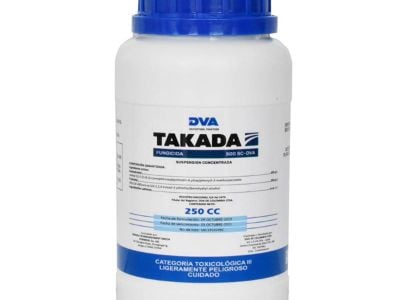
Fungicide resistance is becoming a major challenge in modern agriculture. Fungicides are chemicals used to control fungi that damage crops. However, when the same fungicide are used too frequently or repeatedly, some fungi can develop resistance. As a result, these fungicides become less effective, making it harder for farmers to protect their crops and maintain high yields. Understanding how fungicide resistance develops is essential for keeping crops healthy and ensuring a stable food supply.
How to Identify and Effectively Manage Fungicide Resistance?
The first step in managing fungicide resistance is recognizing the warning signs. If a fungicide that has worked well in the past suddenly fails to control a disease, resistance may be developing. For example, if a field is treated with a fungicide but the same fungal disease returns despite proper application, it may be time to change your disease management strategy.
Regular field inspections are essential for detecting problems early. Farmers should also work with local agricultural experts or extension services to identify resistant fungal strains in their area. Rotating fungicides with different modes of action is one of the most effective ways to slow resistance. Using different products at different times makes it more difficult for fungi to adapt.
In addition, fungicides should be combined with other disease management practices. Planting disease-resistant crop varieties, improving soil health, and following good crop management practices can all reduce disease pressure. Healthy soil helps produce stronger plants that are naturally more resistant to fungal infections.
Keeping detailed records of fungicide applications and crop performance is also valuable. These records help farmers make better decisions in future growing seasons. Education plays an important role as well. By attending workshops, following the latest research, and learning about fungal diseases, farmers can stay ahead of resistance issues. Ronch supports growers by providing high-quality fungicide solutions designed to help manage resistance while protecting crop health.
Where to Find Reliable Solutions for Fungicide Resistance?
Finding dependable solutions is essential for managing fungicide resistance successfully. Local agricultural extension services are an excellent source of advice, technical support, and educational programs. They can recommend effective fungicides and provide guidance on proper application methods.
Online agricultural communities and professional forums are also valuable resources where farmers can exchange experiences and learn from one another. Ronch offers a range of high-quality fungicide for lawn designed to control various fungal diseases while supporting resistance management strategies. Farmers can consult with Ronch to select products that best fit their crop protection needs.
Joining farming associations or grower groups also creates opportunities to share practical experiences and discover new approaches to disease control. In addition, universities and agricultural research institutions continuously study crop protection and resistance management. Staying informed about new research and innovative products allows farmers to adopt more effective solutions as they become available.
Current Trends in Managing Fungicide Resistance
Fungicide resistance continues to shape the future of crop protection. One growing trend is using fungicide mixtures, often called tank mixing, where different fungicides are combined to reduce the risk of resistance developing. Another strategy is optimizing application timing and rates rather than relying on repeated applications of the same product. This approach helps control diseases while reducing selection pressure on fungal populations.
Researchers are also developing new fungicides with different modes of action that target fungi in new ways. Ronch stays up to date with these advancements and helps farmers choose products that support long-term resistance management.
Regular crop monitoring has become increasingly important. Early detection allows farmers to respond before diseases spread throughout the field. Sharing information within farming communities also strengthens resistance management by helping growers stay informed about emerging disease challenges in their regions.
Educating Farmers About Fungicide Resistance
Farmer education is one of the most effective tools for managing fungicide resistance. Workshops, training programs, and field demonstrations help growers understand how resistance develops and how to recognize early warning signs.
Sharing successful case studies from other farmers can encourage the adoption of better management practices. Ronch supports agricultural education by providing easy-to-understand guides, videos, and technical resources that explain resistance management in practical ways.
Social media and digital platforms also make it easier for farmers to access information, ask questions, and share experiences. Working closely with agricultural schools, extension services, and industry experts creates stronger farming communities that are better prepared to manage resistance and protect crop yields.
Sustainable Alternatives for Long-Term Disease Control
Exploring environmentally friendly alternatives is another important step in managing fungicide resistance. Many farmers are adopting integrated disease management practices that reduce dependence on chemical fungicide for plants.
Biological control agents, including beneficial fungi and microorganisms, can naturally suppress harmful fungal diseases. Plant-based extracts and natural oils with antifungal properties are also being researched as sustainable crop protection options.
Ronch is committed to supporting farmers by providing access to effective crop protection products while promoting sustainable farming practices. Crop rotation is another valuable strategy, as changing crops each season disrupts fungal life cycles and reduces disease pressure. By combining sustainable practices with responsible fungicide use, farmers can protect their crops, slow the development of resistance, and support long-term agricultural productivity.