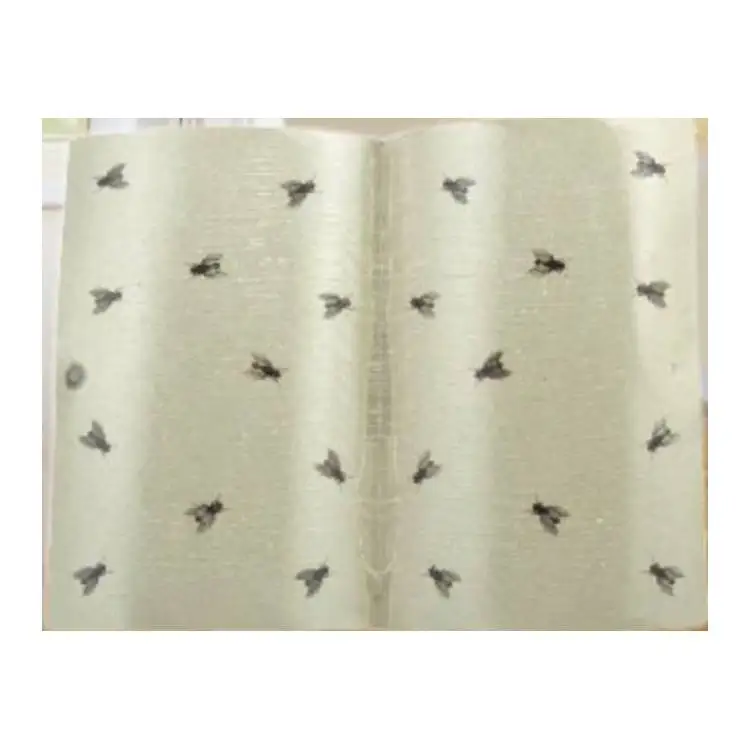
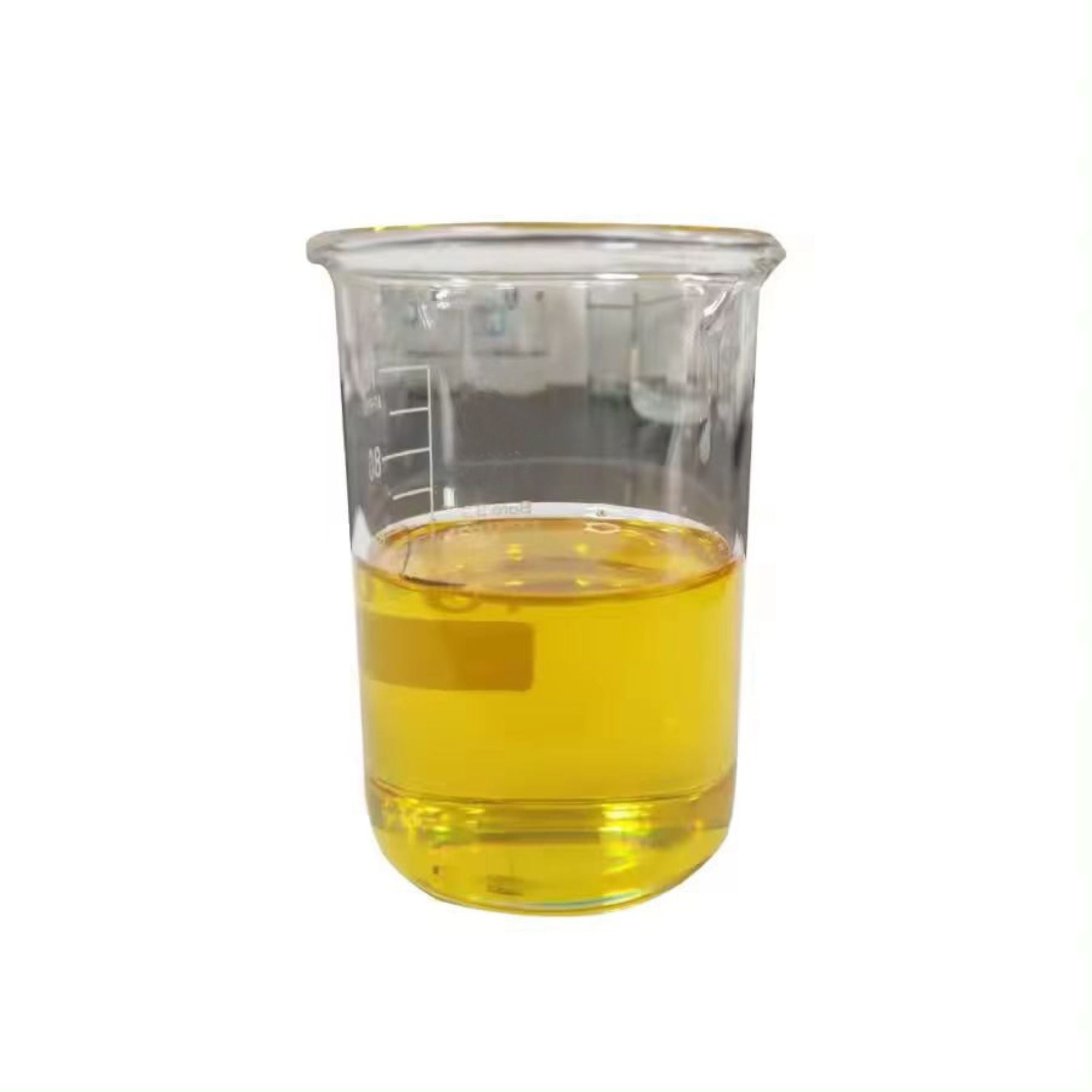
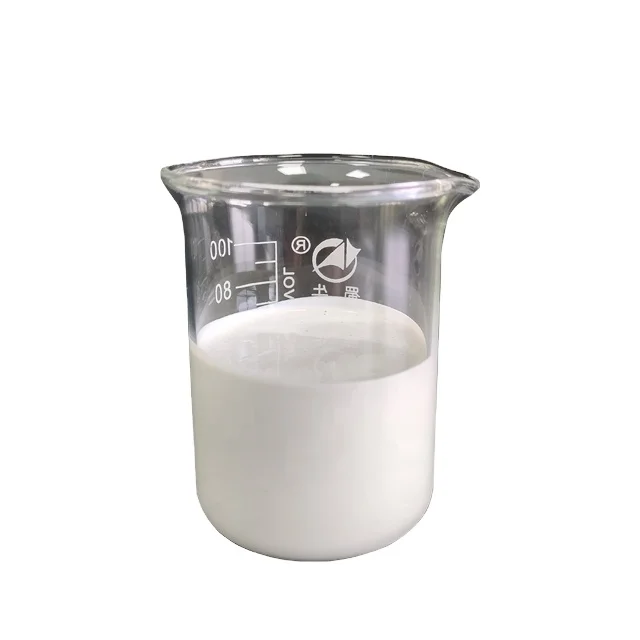
ಇಮಿಡಕ್ಲೋಪ್ರಿಡ್ ಒಂದು ನೆಯೊನಿಕೊಟಿನಾಯ್ಡ್ ಕೀಟಗಳನ್ನು ಹೊರತುಪಡುವ ಸ್ಪ್ರೇ. ಅವು ಹಾನಿಕಾರಕ ಕೀಟಗಳನ್ನು ಹೊರತುಪಡುವ ಉದ್ದೇಶದಿಂದ ಬಳಸಲಾಗುತ್ತವೆ. ಇಮಿಡಕ್ಲೋಪ್ರಿಡ್ ಕೀಟಗಳ ತಂದುಗಾರ ವ್ಯವಸ್ಥೆಯನ್ನು ಆಕ್ರಮಿಸುವುದರಿಂದ ಅವುಗಳನ್ನು ಶೀಘ್ರವಾಗಿ ಮರಳಾಗುತ್ತದೆ. ಈ ಕೀಟನಾಶಕದ ಬಳಕೆ 20 ವರ್ಷಗಳಿಂದ ಇಂದೂ ಜನರಿಗೆ ಗೊತ್ತಿರುವುದು - ಇದು ಪ್ರಪಂಚದಲ್ಲಿ ಸರಿಸುಮಾರು ಸೇರಿದ ಕೀಟ ಸ್ಪ್ರೇಗಳಲ್ಲಿ ಒಂದಾಗಿದೆ. ಇದು ಕೃಷಿಕಾರಗಳು ಮತ್ತು ಉದ್ಯಾನಿಗರು ಬಳಸುವ ಪ್ರಿಯವಾದ ವಸ್ತು ಆಗಿದೆ, ಅವರು ಅದನ್ನು ತಮ್ಮ ಕೃಷಿ ಉತ್ಪನ್ನಗಳನ್ನು ವಿವಿಧ ಪ್ರಕಾರದ ಕೀಟಗಳಿಂದ ರಕ್ಷಿಸಲು ಬಳಸುತ್ತಾರೆ.
ಇಮಿಡಕ್ಲೋಪ್ರಿಡ್ ವಿವಿಧ ಕೀಟಗಳನ್ನು ನಾಶಿಸುವಲ್ಲಿ ಚಮತ್ಕಾರವನ್ನು ಮುಂದುವರೆಸುತ್ತದೆ- ಅಪಿಡ್ಸ್, ಟರ್ಮೈಟ್ಸ್ ಮತ್ತು ಬೀಟಲ್ಸ್ ಎಂದು ಹೇಳಬಹುದು. ಅವುಗಳನ್ನು ನಿಯಂತ್ರಿಸದೆ ಅವುಗಳು ಉದ್ಯಾನದಲ್ಲಿ ಮರಗಳ ಆರೋಗ್ಯಕ್ಕೆ ದುರ್ಭಾವನೆ ಹುಳುಕುತ್ತವೆ. ಇಮಿಡಕ್ಲೋಪ್ರಿಡ್ ಒಂದು ಮಹಾನ್ ವಸ್ತು ಆಗಿದೆ ಏಕೆಂದರೆ ಇದು ಅಂತರ್ಜಾಲದಲ್ಲಿ ಹೆಚ್ಚು ಕಾಲ ಕಾರ್ಯನಿರ್ವಹಿಸುತ್ತದೆ. ಈ ಒಂದು ತats ಮಾತ್ರ ಫೆಕ್ಟ್ ಮುಂದುವರೆಯುವುದರಿಂದ ಇದು ಮಾನವರನ್ನು ಸುರಂಗ ಸುರಂಗ ಸುರಂಗ ಸುರಂಗ ಸುರಂಗ ಸುರಂಗ ಸುರಂಗ ಸುರಂಗ ಸುರಂಗ ಸುರಂಗ ಸುರಂಗ ಸುರಂಗ ಸುರಂಗ.
ಆದರೂ ಇಮಿಡಾಕ್ಲೋಪ್ರಿಡ್ ಬಹಳ ಸುವಿಧಾದಾಗಿದ್ದರೂ, ಅದರ ಉಪಯೋಗಕ್ಕೆ ಬಗ್ಗೆ ಚಿಂತೆಗಳಿವೆ (ಚಿತ್ರ. ಎರಡನೆ ಮುಖ್ಯ ಸಮಸ್ಯೆಯೇ ಅದು ಹೆಚ್ಚು ಹಿತಕಾರಿ ಕೀಟಗಳನ್ನೂ ಹಾನಿ ಪೋಸಿಸಬಹುದು ಎಂದು ಅದು ಮೂಲಕ ಮರಗಳು ಮತ್ತು ತುಂಗಾಗಳು ಹೆಚ್ಚಾಗಿ ಪ್ರಭಾವಿತವಾಗಬಹುದು. ಈ ಜೀವಿಗಳು ಪೊಲಿನೇಶನ್ ಮತ್ತು ಒಂದು ಪರಿಸ್ಥಿತಿಯ ಸ್ವಾಸ್ಥ್ಯಕ್ಕೆ ಗುರುತಾಗಿವೆ. ಇದು ಬದ್ದಲ್ಲಿದ್ದರೂ ಇದು ಒಂದು ಸಾಧ್ಯವಾದ ಪರಿಸರ ಸಮಸ್ಯೆಯನ್ನು ಹೊಂದಿರುತ್ತದೆ ಎಂದು ಅರ್ಥ. ನೆಲೆ ಮತ್ತು ನೀರಿನಲ್ಲಿ ಇಮಿಡಾಕ್ಲೋಪ್ರಿಡ್ ಬಾಯೋ-ಅಕ್ಕ್ಯುಮುಲೇಟ್ ಮಾಡುತ್ತದೆ ಎಂದು ಹೊಸದು ಸಮಯದ ಹಾನಿಯನ್ನು ಪರಿಸ್ಥಿತಿಗೆ ಕಾರಣವಾಗಿರುತ್ತದೆ. ಶಾಸ್ತ್ರಜ್ಞರು ಇದಕ್ಕೆ ಬಗ್ಗೆ ಮತ್ತು ಅರಿಯುವುದರಲ್ಲಿ ಕೆಲಸ ಮಾಡುತ್ತಾರೆ.
ಇಮಿಡಾಕ್ಲೋಪ್ರಿಡ್ ಈಕೋಸಿಸ್ಟೆಮ್ಗಳಲ್ಲಿ ಪ್ರತಿಭೂತವಾಗಿದ್ದು ಸುರಕ್ಷಿತವಾಗಿರುವ ಅನುಧಾವನೆಯು ತೀವ್ರವಾಗಿ ವಾದಾಸ್ತೀರ್ಣವಾಗಿದೆ. ಕೆಲವು ಸಂಶೋಧನೆಗಳು ಹೊರಬೀಸುವಾಗಿ ಕೊಂಡರು ಮತ್ತು ಇತರೆ ಪ್ರವರ್ತಕರನ್ನು ಕಡಿಮೆ ಮೌಲ್ಯಗಳಲ್ಲಿ ಹಾನಿ ನೀಡುತ್ತದೆ ಎಂದು ಕಂಡುಹಿಡಿಸಿದ್ದಾರೆ. ಆದರೆ, ಇಮಿಡಾಕ್ಲೋಪ್ರಿಡ್ ಇತರ ಸಂಶೋಧನೆಗಳಲ್ಲಿ ಗುರುತುವಾಗಿ ಹಾನಿಯನ್ನು ನೀಡದೆಂದು ಹೇಳಿಕೊಂಡಿದೆ. ಇಮಿಡಾಕ್ಲೋಪ್ರಿಡ್ ಪರಿಸರಕ್ಕೆ ಹೆಚ್ಚಿನ ದೂರದಲ್ಲಿ ಯಾವ ಫಲಿತಾಂಶಗಳು ಉಂಟಾಗುವುದು ಅದರ ಅರ್ಥವನ್ನು ಮತ್ತು ನವೀಕರಿಸುವುದನ್ನು ಮತ್ತು ವಿಜ್ಞಾನಿಗಳಿಂದ ವಿಭಿನ್ನ ಅಭಿಪ್ರಾಯಗಳು ಹೊರಬೀಸಿದ್ದಾರೆ. ಈ ಅನ್ವೇಷಣೆಯನ್ನು ನಾವು ಮುಂದುವರಿಸಿಕೊಳ್ಳಬೇಕು ಎಂದು ನಾವು ನಿರ್ಧರಿಸಬಹುದು ಅದು ಸ್ವತಂತ್ರವಾಗಿ ಮತ್ತು ಪ್ರಾಕೃತಿಕ ಪರಿಸರಕ್ಕೆ ಸಹಾಯಕವಾಗಿ ಉಂಟು ಎಂದು ನಾವು ನಿರ್ಧರಿಸಬಹುದು.
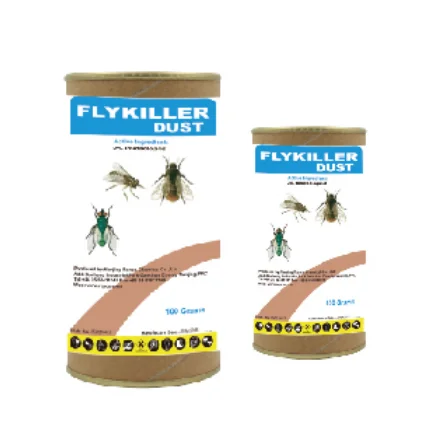
ಇಮಿಡಕ್ಲೋಪ್ರಿಡ್ ಬೀಸ್ಗಳು ಮತ್ತು ಪಟ್ಟೆಗಳನ್ನು ತೆಗೆದುಕೊಳ್ಳುವ ಸಂಭವನೀಯತೆಯ ಬಗ್ಗೆ ಒಂದು ಗಜರು ಚರ್ಚೆಯ ಮೈದಾನದಲ್ಲಿ ಕೇಂದ್ರದಲ್ಲಿದೆ. ಹಾಗೆ ಎಷ್ಟು ವಾಸ್ತವವಾಗಿಯೂ ಕೆಲವು ಕೀಟಗಳ ವರ್ತನವು ವಾಚಕರನ್ನು ಅನುರಾಗದಿಂದ ದೂರ ಹೊಂದಿಸಬಹುದು, ಅವು ನಾಲ್ಕು ಪ್ರಾಣಿಗಳಿಗೆ ಅಗತ್ಯವಾಗಿವೆ ಏಂದರೆ ಅವು ಹಲವಾರು ಫಲಗಳನ್ನು ಮತ್ತು ಬೆಳ್ಳಿಗೆಗಳನ್ನು ಪೋಲಿನೇಟ್ ಮಾಡುತ್ತವೆ. ಆದರೆ ಇಮಿಡಕ್ಲೋಪ್ರಿಡ್ ಪ್ರಾಣಿಗಳಿಗೆ ರೋಗಕಾರಿ ಇನ್ನೆಲ್ಲೆ ಕೀಟನಾಶಕಗಳು ಅವುಗಳನ್ನು ಕಡಿಮೆ ಮೌಲ್ಯದಲ್ಲಿಯೂ ನಕಾರಾತ್ಮಕವಾಗಿ ಹೆಜ್ಜುತ್ತವೆ ಎಂದು ಸ್ಪಷ್ಟವಾಗಿದೆ. ನಮ್ಮಲ್ಲಿರುವ ಪರಿಸ್ಥಿತಿ ಮತ್ತು ಮೊದಲು ಕೃಷಿಯನ್ನು ಮೌಲ್ಯಪೂರ್ಣವಾಗಿ ಕಾಣುವವರಿಗೆ, ಇದು ಆಂತರಿಕ ಆಧಾರವಾಗಿದೆ.

ಈ ಬೆಳಕುಗಳಬಂದು ಕೆಲವು ದೇಶಗಳು ಇಮಿಡಾಕ್ಲೋಪ್ರಿಡ್ ಮತ್ತು ಇನ್ನೊಂದು ನೀಯೋನಿಕೋಟಿನಾಯ್ಡ್ ಪ್ರಹರಿಸುವ ಮಾದಕಗಳನ್ನು ಬಂದಾಗುವುದರಿಂದ ಬಾರಿಗೆಯುವುದು ತೀರ್ಮಾನಿಸಿದ್ದಾರೆ; ಉದಾಹರಣೆಗೆ ಫ್ರಾನ್ಸ್ (ಫ್ರಾನ್ಸ್ ಸಿಂಗೆಂಟಾ ಪ್ರತಿರक್ಷಣೆಯನ್ನು ಬಂದಾಗುವುದು ಹೆಚ್ಚಿನ ಬೆಳಕುಗಳಲ್ಲಿ ಹಾನಿಯನ್ನು ಸಂಬಂಧಿಸಿದೆ), ಕೇನಡಾ. ಅವುಗಳು ಸಾಮಾನ್ಯವಾಗಿ ಪ್ರಕೃತಿಯನ್ನು ಮತ್ತು ಪ್ರತಿರಕ್ಷಣೆಯನ್ನು ಹಾನಿ ಮಾಡುವುದರಿಂದ ಹೇಗೆ ಇವು ರಾಸಾಯನಿಕಗಳು ಎಂದು ಮಾತ್ರ. ವಿರುದ್ಧವಾಗಿ, ಯುನೈಟೆಡ್ ಸ್ಟೇಟ್ಸ್ ಮಾತ್ರ ದೇಶಗಳಿಗೆ ಹೆಚ್ಚು ಸಂವೇದನೆಯಾಗಿದೆ. ಅವುಗಳು ಈ ಪ್ರಹರಿಸುವ ಮಾದಕಗಳನ್ನು ಬಳಸಲು ಸಮಯವನ್ನು ಮತ್ತು ಪದ್ಧತಿಯನ್ನು ಸೀಮಿತವಾಗಿಸಿದ್ದಾರೆ ಅಂತೆ ಕೃಷಿಕರ್ತರು ಅವರ ಗಾದಿಗಳನ್ನು ಬಂದಾಗುವುದು ಮತ್ತು ಒಂದು ಸಾಧ್ಯವಾದ ಪ್ರತಿಘಾತವನ್ನು ಜಾಗ್ರತ್ತಾಗಿದ್ದಾರೆ.
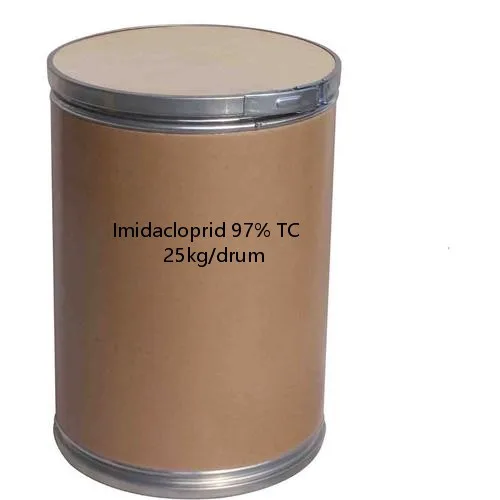
ಮೇಲೆ, ಪರಿಶೋಧಕರು ಹೊಸ ತಂತ್ರಗಳನ್ನು ಸಂಶೋಧಿಸುವೆ. ಉದಾಹರಣೆಗೆ, ಅತಿಶಯೀಯ ಆಂಕ್ಯವನ್ನು ಹೊಂದಿರುವ ವಿಚಾರ - ಜೀನ್ನಿಕ ಮಾರ್ಪಡಿಸಲಾದ (GM) ಕೃಷಿ ಉತ್ಪನ್ನಗಳು ಜೀವಪ್ರಾಣಿಗಳಿಗೆ ಪ್ರತಿರೋಧವನ್ನು ಹೊಂದಿರುತ್ತವೆ. ಬೀಟಿನ ಪ್ರಶ್ನೆಯಾದ ಗಿಡಿಗಳು ಜೀವಪ್ರಾಣಿಗಳಿಗೆ ಪ್ರತಿರೋಧವನ್ನು ಹೊಂದಿರುತ್ತವೆ, ಅಂದರೆ ಹೆಚ್ಚು ರಾಸಾಯನಿಕ ಕೀಟನಾಶಕಗಳನ್ನು ಬಳಸಲು ಬೇಕಾಗದು. ಹೆಚ್ಚು ನವೀಕರಣದೊಂದಿಗೆ, ಕ್ಷೇತ್ರಗಳಲ್ಲಿ ಜೀವಪ್ರಾಣಿಗಳನ್ನು ಗುರುತಿಸಲು ಮತ್ತು ಗುರುತಿಸಲು ದ್ರೋನ್ಗಳನ್ನು ಬಳಸಲು ಬೇಕು. ಈ ತಂತ್ರವು ಕೀಟನಾಶಕ ಬಳಕೆಯ ದক್ಷತೆಯನ್ನು ಹೆಚ್ಚಿಸುತ್ತದೆ ಮತ್ತು ಜೀವಪ್ರಾಣಿ- ಆಕ್ರಾಂತ ಪ್ರದೇಶಗಳನ್ನು ಲಕ್ಷ್ಯಿಸಲು ಬಂದಿರುವುದರಿಂದ ಕೃಷಿಕರು ಸಂಪೂರ್ಣವಾಗಿ ಹೆಚ್ಚು ರಾಸಾಯನಿಕಗಳನ್ನು ಬಳಸುವುದಿಂದ ಬಂದಿರುತ್ತದೆ. ಆದರೆ ನಾವು ಶೋಧನೆ ಮತ್ತು ನವೀಕರಣದಲ್ಲಿ ಬೆಲೆಯನ್ನು ನಡೆಸಿಕೊಳ್ಳಬೇಕು, ಕೃಷಿಗೆ ಸುರಕ್ಷಿತವಾಗಿ ಕೀಟನಾಶಕಗಳನ್ನು ಬಳಸಲು ಮತ್ತು ಭವಿಷ್ಯದಲ್ಲಿ ಸಂತುಲಿತವಾಗಿರುವುದು.
ನಾವು ಸ್ವಚ್ಛತೆ ಮತ್ತು ಕೀಟ ನಿಯಂತ್ರಣದ ಎಲ್ಲಾ ಅಂಶಗಳಿಗೆ ನಮ್ಮ ಗ್ರಾಹಕರಿಗೆ ಇಮಿಡಾಕ್ಲೋಪ್ರಿಡ್ನೊಂದಿಗೆ ಸಂಪೂರ್ಣ ಸೇವೆಯನ್ನು ಒದಗಿಸುತ್ತೇವೆ. ನಾವು ಅವರ ಕಂಪೆನಿಯ ಬಗ್ಗೆ ಆಳವಾದ ಅರ್ಥವನ್ನು ಹೊಂದಿರುವುದರ ಜೊತೆಗೆ ಕೀಟ ನಿಯಂತ್ರಣದಲ್ಲಿ ವರ್ಷಗಳ ಅನುಭವ ಮತ್ತು ಉತ್ತಮ ಪರಿಹಾರಗಳನ್ನು ಸಂಯೋಜಿಸುವ ಮೂಲಕ ಇದನ್ನು ಸಾಧಿಸುತ್ತೇವೆ. 26 ವರ್ಷಗಳ ಉತ್ಪನ್ನ ಅಭಿವೃದ್ಧಿ ಮತ್ತು ಉತ್ಪನ್ನಗಳ ಗುಣಮಟ್ಟದ ಅಪ್ಗ್ರೇಡ್ನ ನಂತರ, ನಮ್ಮ ವಾರ್ಷಿಕ ರಫ್ತು ಪ್ರಮಾಣವು 10,000 ಟನ್ಗಳಿಗಿಂತ ಹೆಚ್ಚು. ನಮ್ಮ 60 ಉದ್ಯೋಗಿಗಳು ಮಾರುಕಟ್ಟೆಯಲ್ಲಿ ಅತ್ಯುತ್ತಮ ಉತ್ಪನ್ನಗಳು ಮತ್ತು ಸೇವೆಗಳನ್ನು ನೀಡಲು ಗ್ರಾಹಕರೊಂದಿಗೆ ಸಹಕರಿಸಲು ಉತ್ಸುಕರಾಗಿದ್ದಾರೆ.
ರಾಂಚ್ ಸಾರ್ವಜನಿಕ ಸ್ವಚ್ಛತೆಯ ಕೈಗಾರಿಕೆಯಲ್ಲಿ ಪ್ರತಿಷ್ಠಿತ ಪ್ರತಿಷ್ಠೆಯನ್ನು ಗಳಿಸಿದೆ. ಅದು ಗ್ರಾಹಕರ ಸಂಬಂಧಗಳಲ್ಲಿ ಇಮಿಡಾಕ್ಲೋಪ್ರಿಡ್ನ ವಿಶಾಲ ಅನುಭವವನ್ನು ಹೊಂದಿದೆ. ಕಂಪೆನಿಯ ಸ್ಪರ್ಧಾತ್ಮಕತೆಯನ್ನು ನಿರಂತರ ಪ್ರಯತ್ನ ಮತ್ತು ದೃಢ ನಿಶ್ಚಯದ ಮೂಲಕ ನಿರ್ಮಿಸಲಾಗುತ್ತದೆ. ಇದು ಕೈಗಾರಿಕೆಯ ಮುನ್ನೆಲೆಯಲ್ಲಿರುವ ಅತ್ಯುತ್ತಮ ಬ್ರಾಂಡ್ಗಳನ್ನು ಸಾಧಿಸುತ್ತದೆ ಮತ್ತು ಮೌಲ್ಯವತ್ತಾದ ಕೈಗಾರಿಕಾ ಸೇವೆಯನ್ನು ಒದಗಿಸುತ್ತದೆ.
ರಾನ್ಚ್ ಅವರು ನಿಮ್ಮ ಯೋಜನೆಗೆ ಇಮಿಡಾಕ್ಲೋಪ್ರಿಡ್ನೊಂದಿಗೆ ವ್ಯಾಪಕ ಶ್ರೇಣಿಯ ಉತ್ಪನ್ನಗಳನ್ನು ಒದಗಿಸುತ್ತಾರೆ. ಇದರಲ್ಲಿ ಕೀಟನಾಶಕ ಚಿಕಿತ್ಸೆ ಮತ್ತು ಸ್ಟೆರಿಲೈಸೇಶನ್ಗಾಗಿ ಎಲ್ಲಾ ರೀತಿಯ ಸ್ಥಳಗಳು, ಹಾಗೂ ನಾಲ್ಕು ಪ್ರಮುಖ ಕೀಟಗಳನ್ನು ಒಳಗೊಂಡಿರುವ ಎಲ್ಲಾ ರೀತಿಯ ಫಾರ್ಮುಲೇಶನ್ಗಳು ಮತ್ತು ಯಾವುದೇ ಉಪಕರಣದೊಂದಿಗೆ ಕಾರ್ಯನಿರ್ವಹಿಸಲು ವಿನ್ಯಾಸಗೊಳಿಸಲಾದ ಸಾಧನಗಳು ಸೇರಿವೆ. ಎಲ್ಲಾ ಉತ್ಪನ್ನಗಳು ವಿಶ್ವ ಆರೋಗ್ಯ ಸಂಸ್ಥೆಯು ಶಿಫಾರಸು ಮಾಡಿರುವ ಉತ್ಪನ್ನಗಳ ಪಟ್ಟಿಯಲ್ಲಿ ಸೇರಿವೆ. ಈ ಉತ್ಪನ್ನಗಳನ್ನು ಕಾಕರೋಚ್ಗಳು, ದಿಬ್ಬಿಗಳು, ಮಾಂಸದ ಹುಳುಗಳು ಮತ್ತು ದಿಬ್ಬಿಗಳು, ಚೀಂಟಿಗಳು ಮತ್ತು ಟೆರ್ಮೈಟ್ಗಳು, ಹಾಗೂ ಕೆಂಪು ಬೆಂಕಿ ಚೀಂಟಿಗಳನ್ನು ನಾಶಪಡಿಸುವ ಯೋಜನೆಗಳಲ್ಲಿ ವ್ಯಾಪಕವಾಗಿ ಬಳಸಲಾಗುತ್ತದೆ, ಅಲ್ಲದೆ ಜನಸಾಮಾನ್ಯರ ಪರಿಸರ ಆರೋಗ್ಯ ಮತ್ತು ಕೀಟ ನಿಯಂತ್ರಣದ ರಾಷ್ಟ್ರೀಯ ನಿರ್ವಹಣೆಗೂ ಇವುಗಳನ್ನು ಬಳಸಲಾಗುತ್ತದೆ.
ರಾನ್ಚ್ ಸಾರ್ವಜನಿಕ ಪರಿಸರ ಸ್ವಚ್ಛತಾ ಕ್ಷೇತ್ರದಲ್ಲಿ ಮುಂಚೂಣಿಯಲ್ಲಿರಲು ದೃಢ ನಿಶ್ಚಯದಿಂದ ಕೂಡಿದೆ. ವಿಶ್ವ ಮಾರುಕಟ್ಟೆಯ ಆಧಾರದ ಮೇಲೆ, ವಿವಿಧ ಕೈಗಾರಿಕೆಗಳು ಮತ್ತು ಸಾರ್ವಜನಿಕ ಸ್ಥಳಗಳ ವೈಶಿಷ್ಟ್ಯಗಳನ್ನು ಸಮಗ್ರವಾಗಿ ಅಳವಡಿಸಿಕೊಂಡು, ಗ್ರಾಹಕರು ಮತ್ತು ಮಾರುಕಟ್ಟೆಯ ಅಗತ್ಯಗಳ ಮೇಲೆ ಕೇಂದ್ರೀಕರಿಸಿ, ಉತ್ತಮ ತಂತ್ರಜ್ಞಾನಗಳನ್ನು ಒಳಗೊಂಡ ಶಕ್ತಿಶಾಲಿ ಸ್ವತಂತ್ರ ಸಂಶೋಧನೆ ಮತ್ತು ಅಭಿವೃದ್ಧಿಯನ್ನು ಅವಲಂಬಿಸಿ, ಗ್ರಾಹಕರ ಬದಲಾಗುತ್ತಿರುವ ಅಗತ್ಯಗಳಿಗೆ ವೇಗವಾಗಿ ಹೊಂದಿಕೊಳ್ಳುವುದರ ಜೊತೆಗೆ, ಗ್ರಾಹಕರಿಗೆ ಇಮಿಡಾಕ್ಲೋಪ್ರಿಡ್ನಿಂದ ರಕ್ಷಿತ, ವಿಶ್ವಾಸಾರ್ಹ ಮತ್ತು ಉನ್ನತ ಗುಣಮಟ್ಟದ ಕೀಟನಾಶಕಗಳು, ಪರಿಸರ ಸ್ವಚ್ಛತಾ ಸ್ಟೆರಿಲೈಸೇಶನ್ ಮತ್ತು ಕೀಟಾಣುನಾಶನ ಉಪಕರಣಗಳು ಹಾಗೂ ಸ್ಟೆರಿಲೈಸೇಶನ್ ಮತ್ತು ಕೀಟಾಣುನಾಶನ ಪರಿಹಾರಗಳನ್ನು ಒದಗಿಸುತ್ತದೆ.
ನಾವು ನಿಮ್ಮ ಸಂಶೋಧನೆಗೆ ಎಲ್ಲಾ ಸಮಯದಲ್ಲಿ ಕಳೆಯುತ್ತೇವೆ.

 EN
EN AR
AR
 BG
BG
 HR
HR
 FR
FR
 DE
DE
 EL
EL
 HI
HI
 IT
IT
 JA
JA
 KO
KO
 PT
PT
 RU
RU
 ES
ES
 TL
TL
 ID
ID
 VI
VI
 TH
TH
 AF
AF
 MS
MS
 SW
SW
 UR
UR
 BN
BN
 CEB
CEB
 GU
GU
 HA
HA
 IG
IG
 KN
KN
 LO
LO
 MR
MR
 SO
SO
 TE
TE
 YO
YO
 ZU
ZU
 ML
ML
 ST
ST
 PS
PS
 SN
SN
 SD
SD
 XH
XH