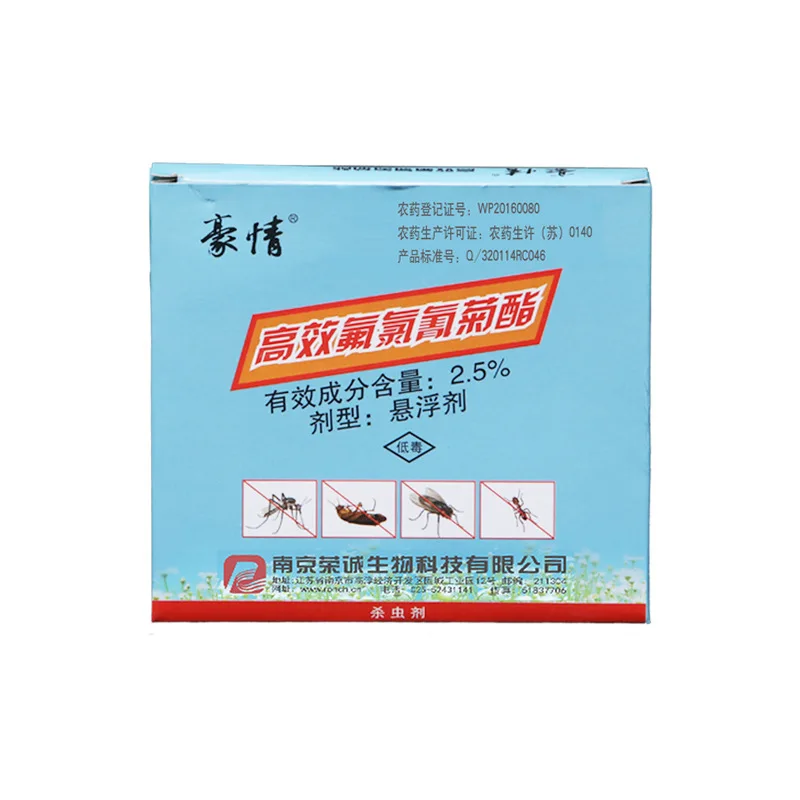
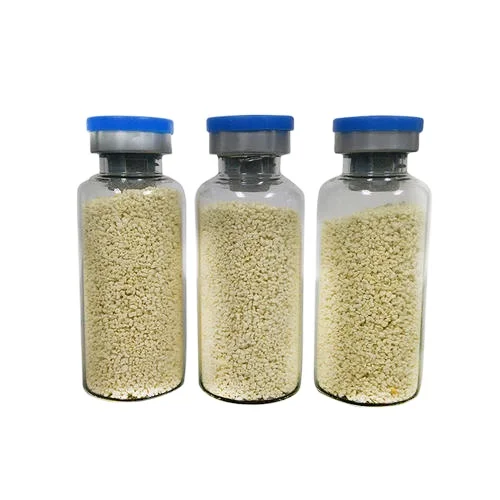
이마다클로프리드는 많은 사람들이 해충을 죽이는 데 사용하는 화학 물질입니다. 우리가 귀찮아 하는 것들을 죽이는 데 사용하려고 합니다. 그 결과 일부 과학자들과 우려하는 시민들은 이마다클로프리드가 벌과 다른 유용한 곤충들에게 큰 문제를 일으키고 있다고 주장하고 있습니다. 이 기사에서는 imidacloprid 많은 사람이 알고는 있지만 거의 알지 못하는 살충제와 그것이 우리의 전체 생태계를 균형을 유지시키는 벌에게 어떤 영향을 미치는지 탐구합니다.
꿀벌은 우리 세계에서 가장 중요한 생물 중 하나입니다. 그들은 꽃가루를 한 꽃에서 다른 꽃으로 옮겨 지구상의 거의 모든 식물의 80%를 수분시킵니다. 이 과정은 주로 '수분'이라고 불리며, 이것이 식물이 열매와 씨앗을 생산할 수 있게 합니다. 예를 들어, 꿀벌이 없다면 많은 식물들이 제대로 자라지 못해 우리가 먹을 과일과 야채의 양이 줄어들 것입니다. 다행히도 그렇지 않지만, 안타깝게도 요즘 꿀벌의 개체 수는 매년 감소하고 있습니다. 임다클로프리드라는 화학물질은 이러한 감소에 영향을 준다고 알려져 있습니다. 꿀벌이 이 물질에 노출되면 해를 입거나 심지어 죽을 수도 있습니다. 이는 심각한 문제로, 건강한 꿀벌 집단이 없다면 식물들이 번성하지 못하고 우리의 식량에도 문제가 발생할 수 있습니다.
이미다클로프리드는 매우 효과적인 곤충 살해제로 다양한 곤충 해충을 제거하는 데 사용될 수 있습니다. 이 물질은 곤충의 신경 센터를 강하게 공격하므로 높은 살상률을 보입니다. 한편, 환경에 매우 오랫동안 남아 있는 성분이기도 합니다. 이를 통해 론치 이마다클로프리드 17.8 sl 사람들이 사용을 중단한 후에도 토양과 물에 수개월 또는 수년 동안 여전히 존재할 수 있습니다. 이마미클로프리드는 전 세계적으로 농업과 사적 정원에서 사용되며 (수영장으로 되돌아갈 수도 있음), 곤충이나 사람에게 해를 끼치지 않도록 해야 합니다. 앞으로 우리는 이러한 화학물질이 환경에 미치는 영향에 대해 더 신경 써야 합니다.
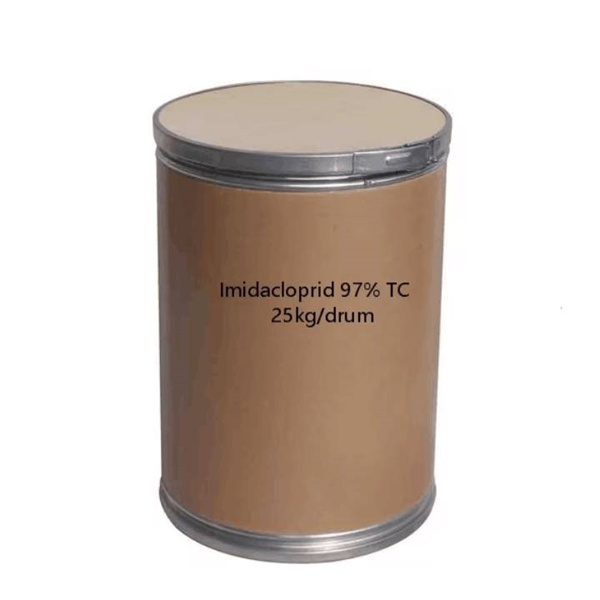
이미다클로프리드는 벌꿀벌(과학적 연구가 위험성을 입증함)과 나비, 붉은거머리 등 다른 유익한 곤충들에게 매우 독성 있는 화학 물질입니다. 이미다클로프리드는 유익한 곤충들의 신경계에 해로운 영향을 미칠 수 있습니다. 이는 움직이거나 제대로 먹지 못하는 등의 여러 문제를 일으킬 수 있으며, 심지어 새끼를 낳는 데에도 문제가 될 수 있습니다. 그리고 곤충들이 이미다클로프리드에 노출되어 살아남더라도 건강이 충분히 회복되지 않아 꽃가루를 퍼뜨리는 등 중요한 기능을 수행하지 못할 가능성이 큽니다. 이러한 곤충들의 개체 수 감소는 환경과 식량 체계에 부정적인 영향을 미칠 수 있습니다.
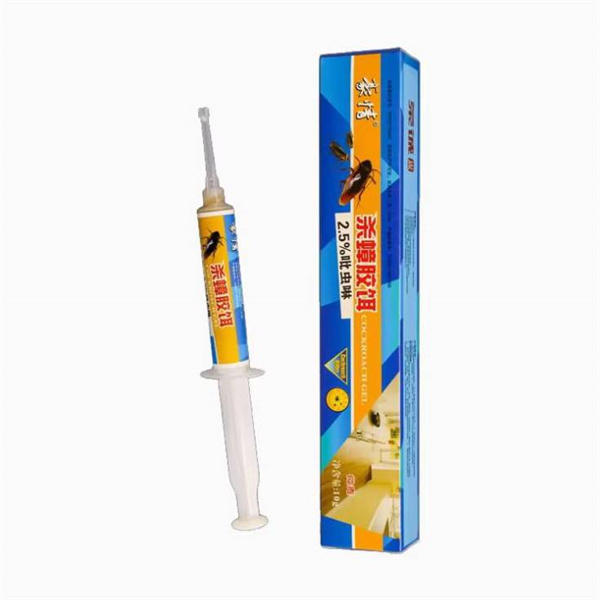
이마다클로프리드는 인간에게也有독성이다. 사람이 이마다클로프리드와 많은 양으로 접촉하면 불쾌감을 느낄 수 있다. 즉, 두통이나 어지러움, 심지어 메스꺼움(구토를 유발하는 상태)을 경험할 수 있다. 다시 한번 강조하지만, 자연은 모든 것이 서로 연결되어 있다는 것을 항상 이해해야 한다. 이는 이마다클로프리드가 벌꿀벌이나 레이디버그와 같은 곤충을 먹는 동물들에게도 부정적인 영향을 미친다는 것을 의미한다. 예를 들어, 이러한 새들이 먹는 곤충의 수가 줄어들면 그들의 존재는 고통을 겪게 되고 가을마다 더 얕은 곳으로 이동해야 할 수도 있다. 따라서 우리는 롱치 사용에 신중해야 한다. 농산물 살충제 그리고 가능한 위협을 고려해야 한다.
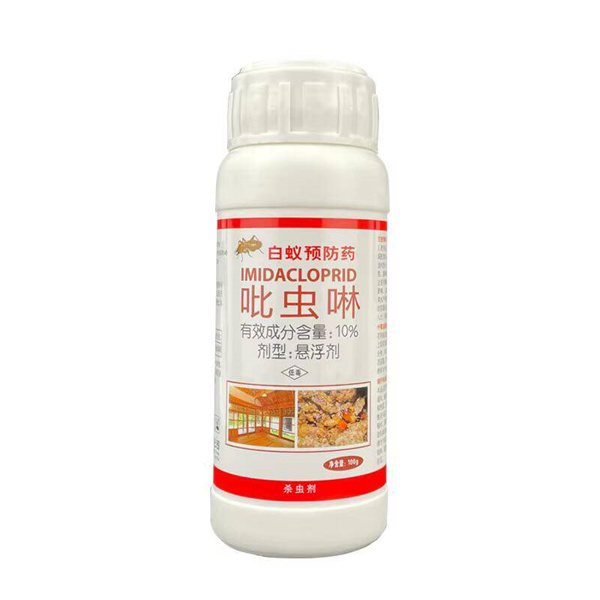
일부 사람들은 해충 방제를 위해 이마다클로프리드를 사용하는 것에 대해 두 가지 생각을 가지고 있습니다. 왜냐하면 이것이 곤충, 식물, 심지어 인간에게 피해를 줄 가능성이 있기 때문입니다. 어떤 사람들은 이마다클로프리드가 아예 금지되어야 한다고 주장하고 있으며, 다른 사람들은 소량으로 신중히 사용되어야 한다고 주장합니다. 실제로 해충을 제거하기 위한 방법은 유해한 화학 물질인 이마다클로프리드와 같은 것을 사용하지 않고도 여러 가지가 있다는 점을 알아두세요. 화학 물질과는 달리, 쿠오조 박사는 사람들이 좋은 벌레들(예: 파리 유충)이 나무점프나 지면거세미를 공격하여 뚫는 해충의 생활 단계를 죽일 수 있는 방법을 사용하고 있다고 말했습니다.
프로젝트용 제품 솔루션 분야에서 론치(Ronch)의 제품은 임다클로프리드 살충제 및 소독 장소 전반에 걸쳐 적용 가능하며, 이는 모든 종류의 ‘사해충(4대 해충)’을 포함합니다. 해당 제품은 다양한 제형으로 제공되며, 모든 유형의 장비에 적합합니다. 세계보건기구(WHO)는 이 모든 의약품을 권장하고 있습니다. 이 제품들은 바퀴벌레 방제를 비롯하여 흰개미, 개미 등 기타 곤충 방제를 위한 다수의 프로젝트에서 광범위하게 사용되고 있습니다.
론치(Ronch)는 공공위생 산업 분야에서 높은 신뢰도와 명성을 확립해 왔습니다. 고객 관계 측면에서 임다클로프리드 살충제 관련 풍부한 경험을 보유하고 있습니다. 회사는 끊임없는 노력과 인내를 통해 경쟁력을 구축해 나가며, 업계를 선도하는 우수한 브랜드를 달성하고, 가치 있는 산업 서비스를 제공할 것입니다.
론치(Ronch)는 공공 환경 위생 산업 분야의 선도 기업이 되기 위해 최선을 다하고 있습니다. 글로벌 시장을 기반으로 하여 다양한 산업 및 공공 공간의 특성을 긴밀히 융합하고, 고객과 시장의 요구 사항에 집중하며, 최첨단 기술을 결합한 강력한 독자적 연구개발 역량을 바탕으로 고객의 변화하는 요구 사항에 신속히 대응함으로써, 고객에게 임다클로프리드(Imidacloprid) 살충제를 포함한 안전하고 신뢰성 높으며 고품질의 살충제, 환경 위생용 살균·소독 장비 및 종합적인 살균·소독 솔루션을 제공합니다.
고객의 비즈니스에 대한 종합적인 이해와 임다클로프리드 살충제 분야에서 뛰어난 전문성 및 솔루션, 그리고 최신 기술과 가장 첨단 경영 전략을 활용한 유연한 시스템 기반의 글로벌 판매 네트워크를 바탕으로, 당사는 고객에게 전 과정에 걸친 위생 및 해충 방제를 위한 원스톱 서비스를 제공합니다. 26년 이상에 걸친 제품 개발 및 업그레이드 경험을 바탕으로, 당사의 연간 수출량은 1만 톤을 넘습니다. 당사 직원 60명은 고객과 긴밀히 협력하여 시장에서 최고 수준의 서비스와 제품을 제공하기 위해 준비되어 있습니다.
우리는 항상 당신의 상담을 기다리고 있습니다.

 EN
EN AR
AR
 BG
BG
 HR
HR
 FR
FR
 DE
DE
 EL
EL
 HI
HI
 IT
IT
 JA
JA
 KO
KO
 PT
PT
 RU
RU
 ES
ES
 TL
TL
 ID
ID
 VI
VI
 TH
TH
 AF
AF
 MS
MS
 SW
SW
 UR
UR
 BN
BN
 CEB
CEB
 GU
GU
 HA
HA
 IG
IG
 KN
KN
 LO
LO
 MR
MR
 SO
SO
 TE
TE
 YO
YO
 ZU
ZU
 ML
ML
 ST
ST
 PS
PS
 SN
SN
 SD
SD
 XH
XH